Skills
Simple Actions That Actually Build a Business
Skills — Simple Actions That Actually Build a Business
Mindset sets the foundation… but skills create the results. You can believe in yourself all day long, but if you don’t know what to do — or how to do it — your business won’t grow. That’s where most people get stuck. They overcomplicate the process, chase new strategies, or never master the basics.
We do the opposite.We focus on a small set of core, repeatable skills that actually drive growth: connecting, inviting, presenting, following up, and duplicating. No fluff. No overwhelm. Just what works.
These are the actions that build momentum — and more importantly, can be duplicated by your team. Because in network marketing, it’s not about what you can do once…it’s about what you can teach others to do consistently.
Simple skills. Repeated daily. Multiplied through people. That’s how a real business is built



The 10 Core Skills for Inviting
- Belief & Posture
Everything starts with how you show up. Confidence, certainty, and detachment from the outcome. - Invitation
Getting people to take a look. Short, simple, curiosity-driven. No over-explaining. - Communication & Connection
Building trust through listening, asking questions, and being real. - Edification
Positioning your team, leaders, and system so you don’t have to be the expert. - Storytelling
Sharing experiences that move people emotionally—not just information. - Follow-Up
Staying consistent without being pushy. This is where most of the money is made. - Objection Handling
Understanding concerns and responding with clarity—not pressure. - Closing
Helping people make a decision. Not convincing—guiding. - Duplication
Keeping everything simple so others can do what you do. - Personal Branding (Optional, Advanced)
Creating content that attracts people to you over time.
How We Teach It
We don’t throw everything at you at once.
We help you:
- Master the first few skills fast
- Use them immediately in real conversations
- Build confidence through action, not theory
Because in this business…
Skill comes from doing, not just knowing.
The Bottom Line
You don’t need to be perfect.
You don’t need to know everything.
You just need to get good at a few things that matter—and repeat them consistently.
That’s how results are created.
That’s how leaders are developed.
That’s how this actually works.
Belief & Posture
Everything starts with how you show up. Confidence, certainty, and detachment from the outcome.
Belief and posture come from two places: your personal development and your understanding of what you’re offering. If you haven’t yet, spend time in the Mindset section—this is where that internal shift begins.
You don’t need to know everything. You just need to believe in the value of the product or the result it creates.
Pro Tip: People don’t buy what a product is—they buy what it can do for them.
If you’re new and haven’t had results yet—or don’t even have the product in hand—lean on your team.
Use testimonials. Share stories. Send a quick video.
We’ve had plenty of brand partners enroll their first few people before their product even arrived.
Your belief doesn’t come from experience first—
It comes from what you choose to trust and communicate.
The Invitation
Getting people to take a look. Short, simple, and curiosity-driven—without over-explaining.
This is where everything starts. If you can’t get someone to look, nothing else matters.
Most people talk too much here. They try to explain the product, the comp plan, and their whole story… all in the first message. That kills curiosity.
Instead, keep it light. Keep it simple. Create just enough interest to start a conversation.
People are busier today than ever. Attention is short. Respect that.
Outside of close friends and family (where a quick call works best), text-based outreach is often more effective. Messaging platforms—like Facebook Messenger or iMessage—allow people to respond on their time, which increases your chances of getting a reply.
Or go to Menu>Skills>Scripts
You can also find them in Dulication>Weeks 1 & 2
Follow-Up
Staying consistent without being pushy. This is where most of the money is made.
Most people don’t fail because they can’t invite…
They fail because they don’t follow up.
Timing is rarely perfect. People are busy. Distracted. Skeptical.
That doesn’t mean they’re not interested—it usually just means not now.
Follow-up is simply continuing the conversation until there’s a real decision.
Not chasing. Not pressuring. Just staying present.
What Follow-Up Actually Looks Like
- Checking back in without attachment
- Adding value instead of repeating the same ask
- Keeping it natural, not scripted
- Knowing when to pause and when to re-engage
You’re not trying to “convince” someone.
You’re giving them space to come to their own decision—while making sure they don’t forget.
The Mistake Most People Make
They follow up once… maybe twice… then stop.
Meanwhile, the person:
- Got busy
- Forgot
- Meant to respond
- Or needed to see it again
And the opportunity is lost—not because they said no…
But because no one followed up.
Simple Follow-Up Rhythm
- Initial exposure
- Follow up within 24–48 hours
- Again a few days later
- Then weekly touchpoints (value, stories, updates)
Light. Casual. Human.
Examples of Natural Follow-Ups
- “Hey, just circling back—did you get a chance to look?”
- “Curious what stood out to you?”
- “Thought of you again—wanted to resend this real quick.”
- “Totally fine if it’s not for you, just let me know either way 👍”
Pro Tip
The fortune isn’t just in the follow-up…
It’s in how long you’re willing to follow up without making it weird.
The Bottom Line
People rarely say yes the first time.
But they often say yes to the person who stays consistent.
Follow-up isn’t annoying when it’s done right—
It’s professional.
Follow-up Videos
Orygn triGLP Video (Short) https://youtu.be/ZA5uqO9ST0Q?si=E6PSX8ik4DYwiXZh
Our Team Testimonal Video https://youtu.be/RVj0cgUQ1CI?si=X-eS-bcCfTsAxqbY

Closing
Helping people make a decision. Not convincing—guiding.
Closing isn’t about pressure.
It’s not about hype, scripts, or “overcoming” someone.
It’s about helping a person get clear enough to decide.
If the previous steps were done well—inviting, connecting, storytelling, and follow-up—closing becomes natural.
Because by the time you get here…
They already understand.
They just need help choosing.
What Closing Actually Is
- Asking for a decision
- Clarifying what they want
- Removing confusion or hesitation
- Giving them a simple next step
You’re not trying to “get them in.”
You’re helping them decide if this fits their life right now.
The Shift Most People Need
New people avoid closing because they don’t want to feel pushy.
So they say things like:
“Let me know what you think…”
That’s not closing. That’s hoping.
Closing is leadership.
It sounds like:
- “Based on what you said you want, does this make sense for you?”
- “Do you see yourself getting started with this?”
- “Want to go ahead and lock in your spot?”
Clear. Direct. Respectful.
Common Closing Questions (Simple & Natural)
- “What makes the most sense for you right now?”
- “On a scale of 1–10, where are you at?” (great for opening conversation)
- “What questions do you still have before making a decision?”
- “If we could solve that, would you be ready to move forward?”
- “Are you more interested in the product or the business side?”
These aren’t pressure—they’re clarity.
Handling Hesitation (Without Pushing)
When someone hesitates, don’t react—get curious.
- “What’s holding you back?”
- “What part doesn’t feel clear yet?”
- “Is it timing, money, or just unsure if it’s for you?”
Let them talk.
Most people don’t need convincing—
They need to feel heard.
Pro Tip
Confused people don’t buy.
Certain people do.
Your job is to help them move from confusion → clarity.
The Real Close
A real close isn’t when someone says “yes.”
It’s when they feel:
- Clear
- Comfortable
- Certain (enough)
Whether they say yes now or later.
The Bottom Line
If you’ve done everything right leading up to this…
Closing doesn’t feel like closing.
It feels like the next logical step.
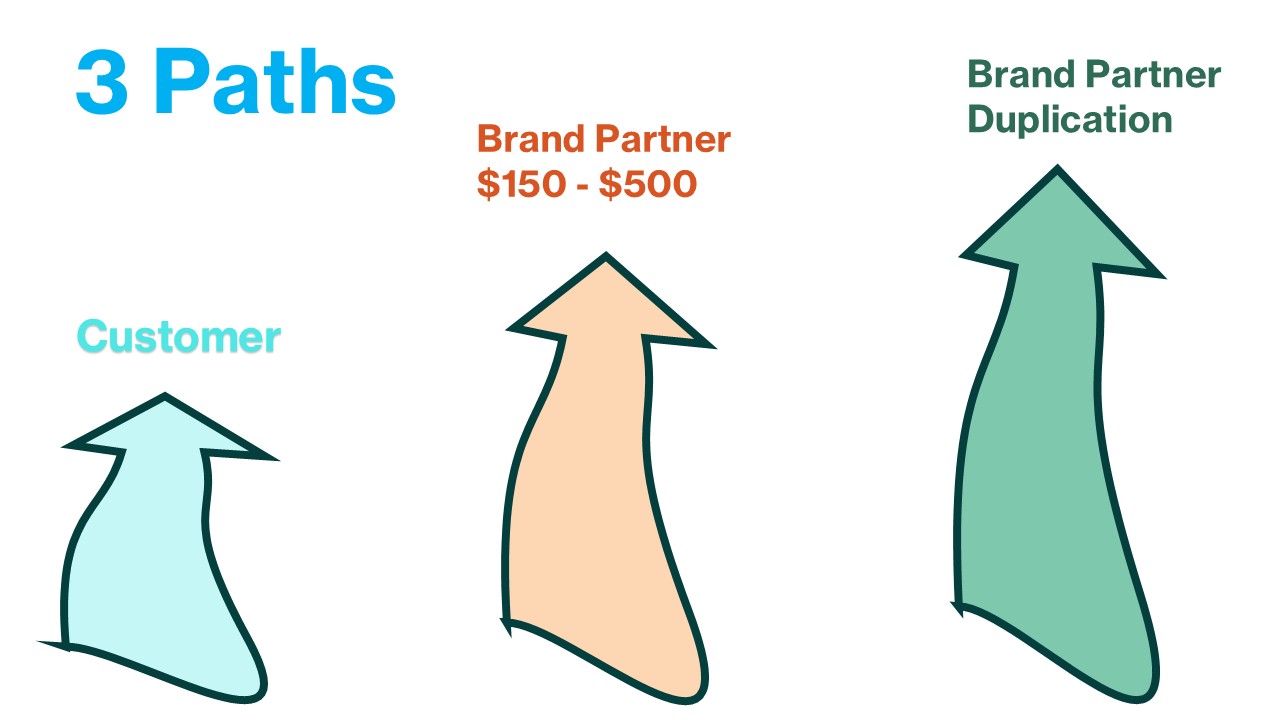
3 Onboarding Paths People Can Choose
🟢 LEVEL 1: CUSTOMER / CASUAL
🟡 LEVEL 2: SIDE HUSTLE (Extra $200–$500/month)
🔴 LEVEL 3: BUILDER (Serious)
Each Level has a slightly different process on Onboarding.. Know what Level they want to play is step one and easy..... Just ask !
🔹 SIMPLE ONBOARDING CHECKLIST (BY LEVEL)
Full page on Onboarding Click Here or in the Menu at top of page Menu>Skills>Onboard
Simple Systems. Real Growth.